Plastic Flexible Building Fence: Reliable Column Protection for Warehouses and Industrial Facilities
Oct, 23 2026
Introduction: Protecting Building Columns from Forklift Impacts
In busy warehouses and industrial facilities, forklifts and material handling equipment move continuously between storage racks, workstations, and transportation routes. Building columns located near these areas are vulnerable to accidental collisions, especially when forklifts turn, reverse, or handle pallets in limited spaces.
Damage to building columns can lead to expensive repairs, operational interruptions, and potential safety concerns. Installing a suitable protective system is an effective way to reduce these risks and improve workplace safety.
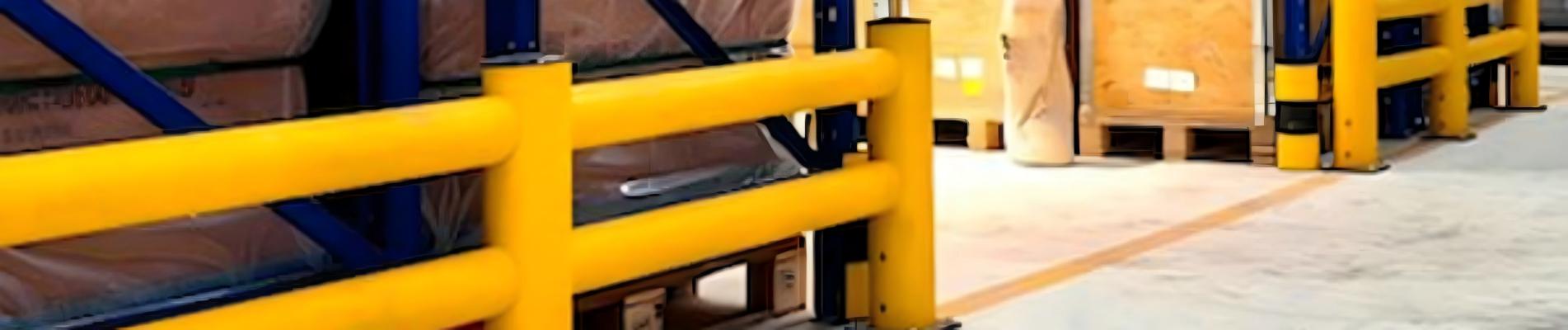
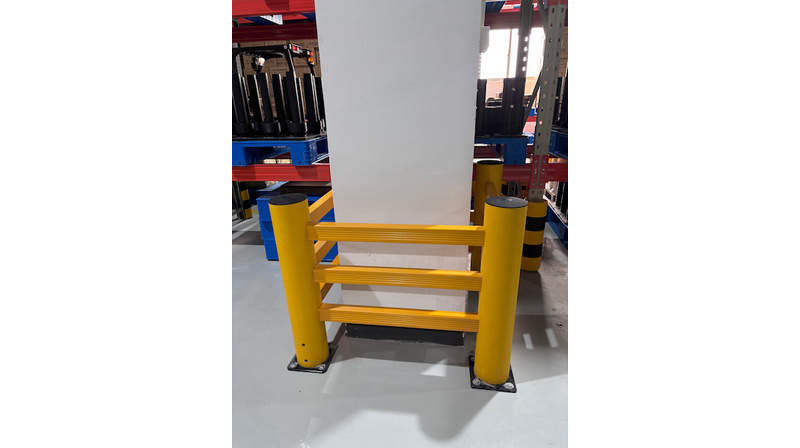
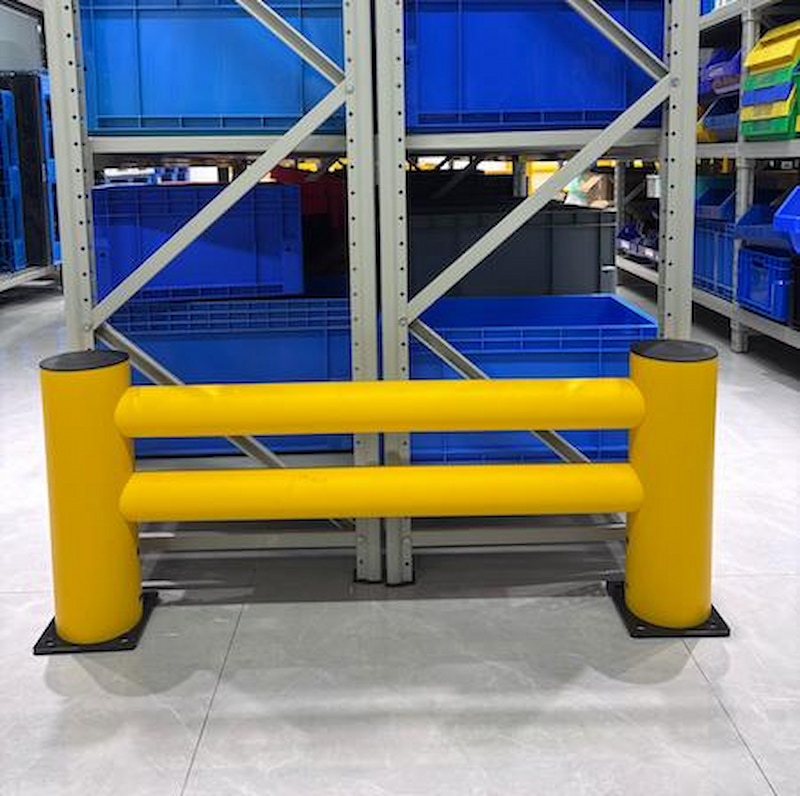
A Plastic Flexible Building Fence provides a practical solution for protecting building columns and other vulnerable structural areas. As shown in our product images, the system combines highly visible yellow protective posts with horizontal safety rails to create a physical barrier around the column. The barrier helps separate moving equipment from the protected structure and reduces the likelihood of direct forklift contact.
Designed for warehouses, manufacturing plants, distribution centers, and logistics facilities, this type of flexible polymer protection system helps businesses protect valuable infrastructure while maintaining clear and organized traffic routes.
Key Benefits of Plastic Flexible Building Fences
1. Building Column Protection
Building columns are essential structural components in warehouses and factories. When located close to forklift routes, they may be exposed to repeated accidental impacts.
A plastic flexible building fence creates a protective perimeter around these vulnerable structures, helping reduce direct contact between moving vehicles and the column.
2. Forklift Impact Protection
Forklift collisions can damage building structures, equipment, and nearby installations. A properly selected safety fence helps establish a physical separation between vehicle routes and protected areas.
Flexible polymer materials may absorb and distribute some impact energy, helping reduce damage under suitable operating conditions. The fence must be selected according to the expected impact risk and should not be treated as a substitute for structural protection where higher impact resistance is required.
3. High-Visibility Safety Design
The bright yellow posts and rails provide a clear visual warning in busy industrial environments. They help forklift operators identify protected columns and recognize restricted areas more easily.
High-visibility barriers are particularly useful near aisle intersections, storage areas, production equipment, and other locations where vehicle movement requires additional attention.
4. Flexible Polymer Construction
Compared with conventional rigid barriers, appropriately engineered flexible polymer systems can offer flexibility and impact recovery under specified conditions.
Polymer construction can also help reduce concerns associated with steel corrosion. However, material durability, chemical resistance, temperature suitability, and impact performance should always be confirmed against the product's technical specifications.
5. Reduced Maintenance Requirements
Plastic safety barriers generally do not rust like unprotected steel. This can reduce the need for corrosion-related maintenance in suitable warehouse environments.
Regular inspections remain important. Operators should check the posts, rails, floor anchors, and mounting bases for damage, loosening, or signs of wear after installation and following significant impacts.
6. Clear Separation of Work Areas
A building column fence does more than protect a structural support. It also helps define the boundary between forklift operating space and fixed infrastructure.
This can support better traffic organization and help workers recognize areas that require additional clearance.