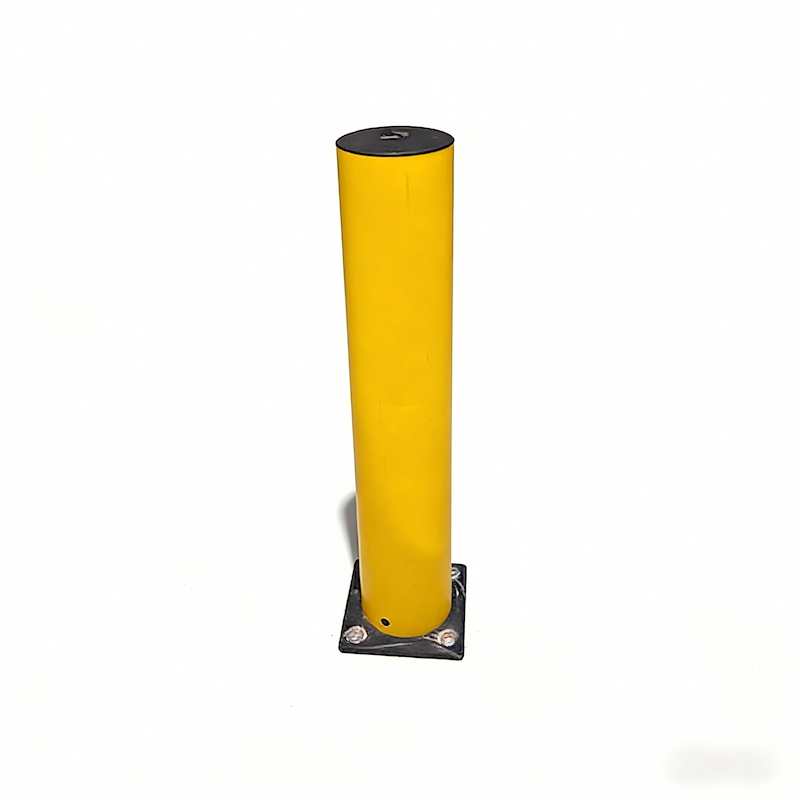
Flexible Plastic Bollards vs. Stainless Steel Bollards: Why Flexible Plastic Wins for Industrial Safety
Apr, 23 2026
When it comes to protecting warehouse doorways, machinery, and pedestrian zones, safety bollards are non-negotiable. But choosing between flexible plastic bollards and traditional stainless steel bollards can make a huge difference in safety, cost, and long-term performance. Let’s break down the key differences and why flexible plastic bollards are the smarter choice for modern industrial spaces.
1. Impact Absorption: Safety That Protects Everything
Stainless steel bollards are rigid and unyielding. When hit by a forklift, truck, or vehicle, they transfer the full force of the impact back to the vehicle, floor, and even the driver. This often results in:
Damaged vehicles, bumpers, or wheels
Cracked concrete floors (costly to repair)
Risk of injury to operators
Bent or broken steel bollards that need immediate replacement
Flexible plastic bollards (typically made of polyurethane or HDPE) work differently:
They bend on impact, absorbing kinetic energy rather than resisting it
After being hit, they spring back to their original shape—no permanent damage to the bollard
Reduces damage to vehicles, floors, and equipment, lowering accident-related costs drastically
Eliminates the risk of sharp, broken metal edges that could cause secondary injuries
This "flex and recover" design is especially critical in busy warehouses where low-speed collisions are common.
2. Low Maintenance & Longevity
Stainless steel bollards require constant upkeep to stay functional and visible:
Prone to scratches, dents, and rust (even "stainless" steel can corrode in humid or chemical-rich environments)
Fading paint or lost visibility markings require repainting or touch-ups
Damaged bollards need full replacement, which is labor-intensive and expensive
Flexible plastic bollards are nearly maintenance-free:
UV-stabilized, weather-resistant materials resist fading, cracking, and corrosion
Bright, high-visibility colors (yellow, orange) stay vibrant for years without repainting
No rust, no scratches, and no need for costly repairs after minor impacts
Resistant to oils, chemicals, and cleaning products common in industrial settings
3. Installation & Versatility
Stainless steel bollards are heavy and difficult to install:
Require heavy machinery for placement
Permanent, fixed installation makes reconfiguring layouts (common in growing warehouses) a hassle
High initial weight increases shipping and handling costs
Flexible plastic bollards are lightweight and easy to work with:
Can be installed quickly with basic tools (expansion bolts, no heavy equipment needed)
Lightweight design allows for easy relocation as your warehouse layout evolves
Cost-effective shipping and handling, even for large orders
Available in standard heights and colors that fit any industrial safety requirement
4. Total Cost of Ownership
While stainless steel bollards may seem durable upfront, their hidden costs add up quickly:
High initial material cost
Regular maintenance (painting, rust treatment)
Frequent replacements after impacts
Repair costs for vehicles and floors damaged by rigid collisions
Flexible plastic bollards offer a much lower total cost of ownership:
Affordable initial pricing
No maintenance fees
No replacement costs after minor impacts
Reduced vehicle and floor repair expenses over time
Final Verdict: Choose Flexibility for Smarter Safety
Stainless steel bollards are a relic of the past, relying on brute force to stop impacts. Flexible plastic bollards use smart engineering to absorb energy, protect assets, and reduce costs—all while keeping workers safe.
For warehouses, factories, and industrial facilities where safety and efficiency matter, flexible plastic bollards are the clear winner. They don’t just protect doorways and machinery—they protect your budget, your vehicles, and your team.